
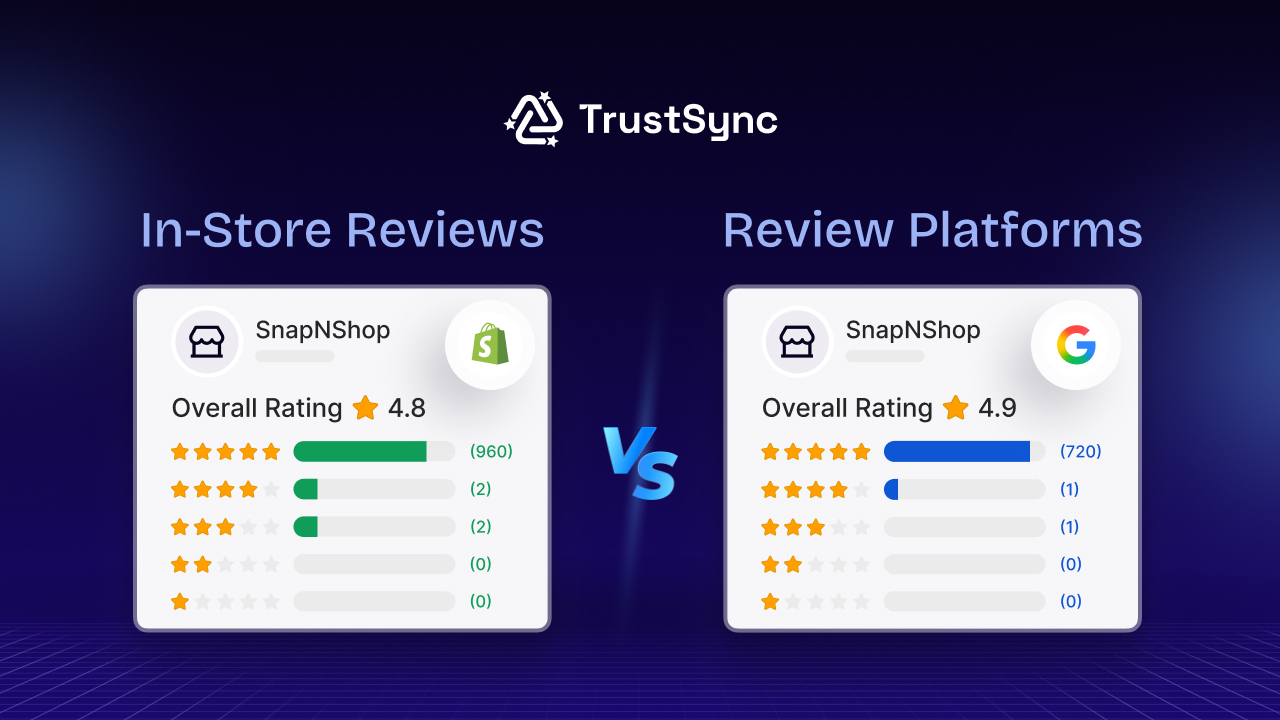
Customer feedback can break or build brand reputation. In the fast-paced, influencer-driven market of today, where reviews decide (among other things) whether you thrive as an eCommerce business, you cannot treat it as an afterthought. But what kind of reviews are we talking about? Ones that are shown as testimonials on your store? There is a world of reviews and platforms beyond the Shopify storefront that you need to know of.
In this blog, we compare in-store reviews vs. review platforms. We explore where each channel wins and the scenarios where each is appropriate, within the scope of Shopify review apps. The core takeaway is this: both channels matter, but serve different purposes themselves.
Spoiler: Use both.
Why Reviews Are Important to Build Brand Reputation?
Reviews shape how your brand is perceived long before a customer finds your Shopify store, intending to make a purchase. If anything, having been exposed to good reviews, a potential customer will be primed to view your brand presence as credible. And way more likely to purchase than someone who coincidentally stumbled upon your store. In fact, 93% people are more likely to make a purchase coming from a positive review.
Besides, reviews act as social proof. They validate your claims, reduce purchase anxiety, increase brand reputation and improve buyer confidence. For Shopify stores especially, reviews provide fresh user-generated content and can boost SEO, which is always a win. The two channels of reviews we are exploring in this blog offer advantages from two vantages.
In-Store Reviews vs. Review Platforms: What Is the Difference?
So reviews are important, we can agree on that. This section compares in-store reviews vs. review platforms in greater detail. We dissect each channel by what they offer, best use-case scenarios and also make note of their limitations to provide a comprehensive overview.
In-Store Reviews
In-store reviews are displayed directly on your Shopify storefront, typically on product pages. They include star ratings, written reviews, photos and videos that inform purchase decisions and strengthen on-page credibility.
They offer real-time validation right where buying decisions will be made. Most buyers jump straight to the reviews section to alleviate anxieties related to purchasing online: will the product be what it looks like? Will the quality be satisfactory? What if I get duped? The questions that run through a customer’s mind are endless when they are trying to decide whether to finalize their purchase.
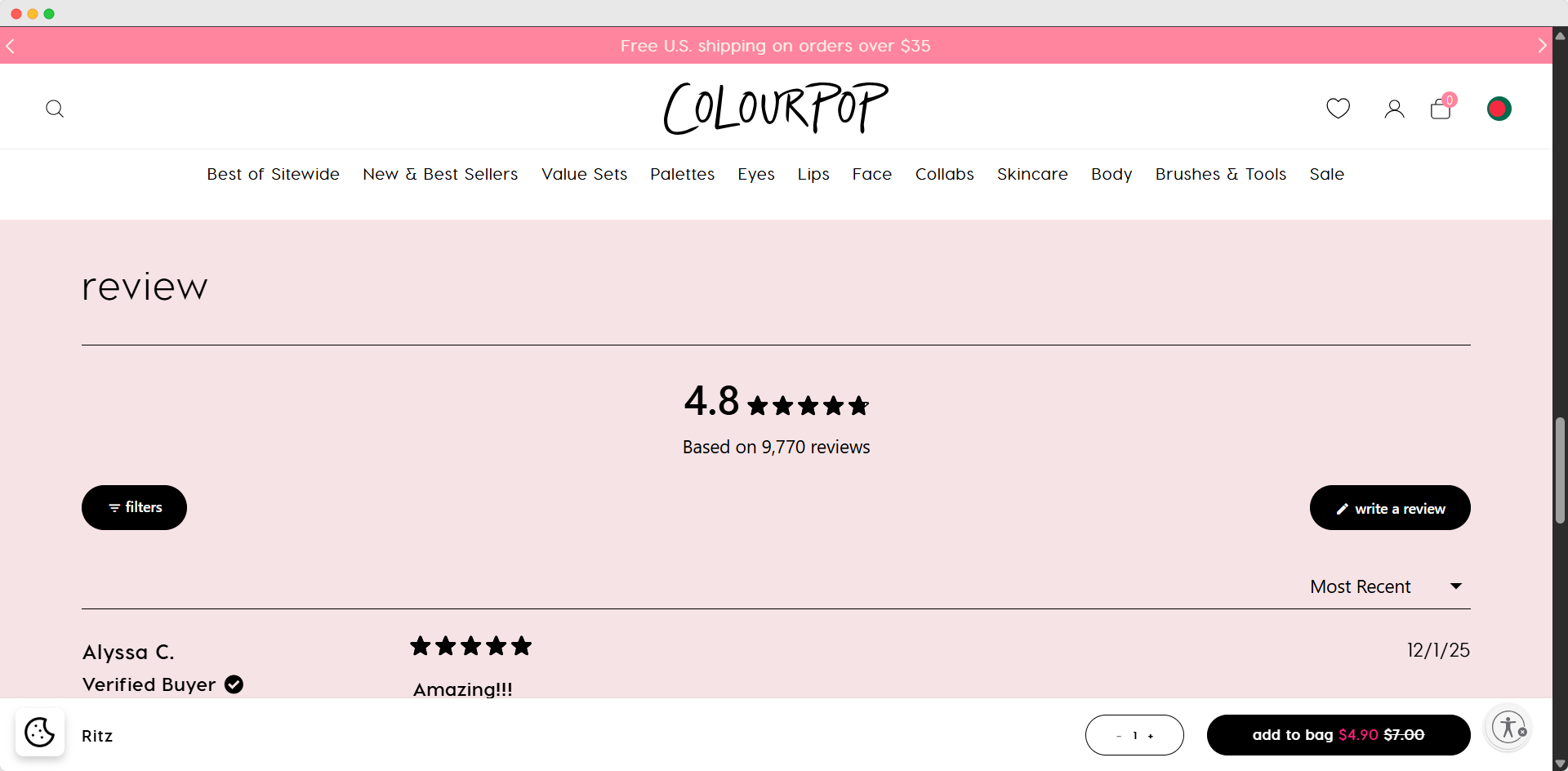
Source: colourpop.com
The greatest benefit of in-store reviews, besides the fact that they build brand reputation, is that they are fully customizable. In terms of layout and visual design. As they are displayed on your storefront, you can present them in a brand-consistent design or layout. They work as immediate conversion boosters and, in many cases, might even boost SEO as these reviews are fresh user-generated content.
But there is a hidden benefit of in-store reviews that might be overlooked. Usually, when reviews are posted directly to your store, often in the form of comments, you get to moderate them and restrict spam. Something that is not always possible with external eCommerce review platforms.
Online Review Platforms
Online review platforms are not completely separate from your Shopify storefront. They are still connected to your store, just that the reviews are also public on discovery engines such as Trustpilot, Google Reviews, Yelp, Facebook Reviews, etc.
Think of word-of-mouth promotions, but amplified with a megaphone. Online reviews are just like that. Everyone can hear it, not just the people in the room, or in this case, visitors to your Shopify store. Positive reviews reach hundreds or thousands of potential customers.
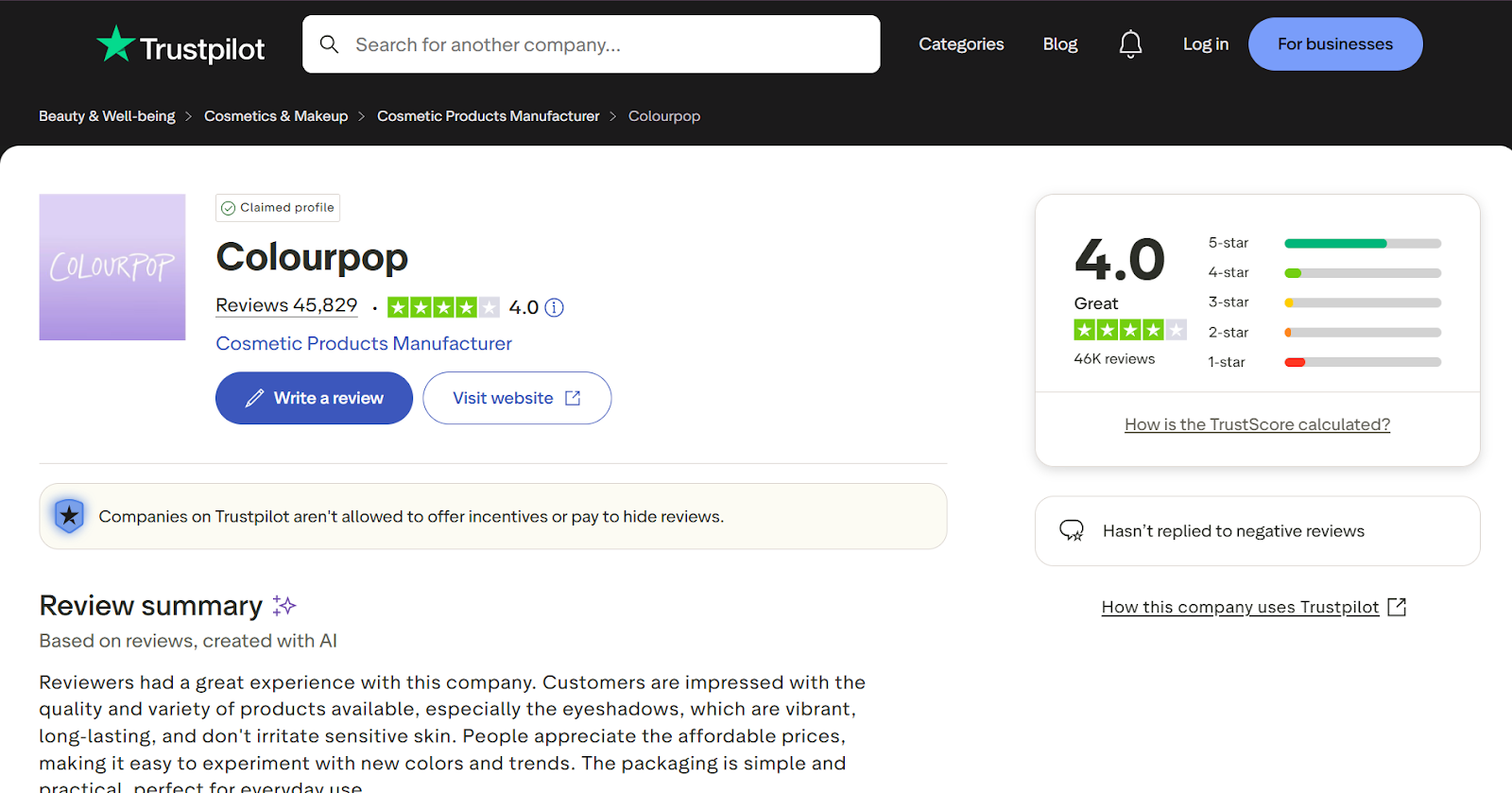
A glowing Google Review is basically a public endorsement indexed by a search engine. A Shopify product review acts as social proof at the point of conversion, nudging the shopper who is 70% convinced into a 100% purchase. Having a Trustpilot presence brings back traffic to your store, almost in the way of “trust by association.” People know and trust reviews on platforms like TrustPilot, and having a vibrant presence here aids your store’s overall visibility.
But remember how we mentioned the hidden benefit of in-store reviews? Yeah, well, it is unfortunate that you cannot enjoy the same benefits with online review platforms. You cannot always monitor what other people have to say, even if it is spam. But stay tuned. We do have a solution to minimise negative reviews.
A Comparison Table: In-Store Reviews vs. Review Platforms
Here is a comparison table of the two review channels through which you can build brand reputation:
| Cluster | In-Store Reviews | Online Review Platforms |
| Conversion & Credibility | Immediate social proof on product pages; nudges hesitant buyers to purchase | Builds external trust; validates brand via public endorsements |
| Control & Customization | Indirect SEO benefit: drives external traffic and brand visibility | Limited control; platform rules apply; harder to manage negative content |
| Reach & Amplification | Limited to site visitors; high-intent audience | Broad audience; discoverable via search engines and third-party platforms |
| SEO & Content Value | Fresh user-generated content boosts on-page SEO | Indirect SEO benefit; drives external traffic and brand visibility |
If in-store reviews feel like a private conversation, an almost community-focused channel, it is fair to say that online reviews feel like a broadcast tower. They influence perception at scale, help boost SEO signals and intrigue customers who may not even have been looking for you until the platform led them there.
See, the strategic advantage comes from using both. But when speaking strictly of growth, eCommerce review platforms with reach baked into their architecture are just a little better.
The Strategic Approach to Balancing Both Review Channels
To effectively build brand reputation, you should prioritize online eCommerce review platforms while also creating space for in-store engagement. Encourage customers to leave reviews on platforms like Google, Yelp, TrustPilot and social media channels. Monitor and respond to feedback promptly. Positive reviews strengthen credibility, while timely responses to negative reviews demonstrate accountability and care.
But if you are a relatively new store without much traffic, you need to boost growth. This is where TrustSync comes in.
Automating Online Reviews with TrustSync to Build Brand Reputation
TrustSync is a Shopify reviews app that automates review collection from multiple platforms, including Google and TrustPilot. It sends personalized review requests to your customers, ensuring feedback. But wait. Let us jog our memory.
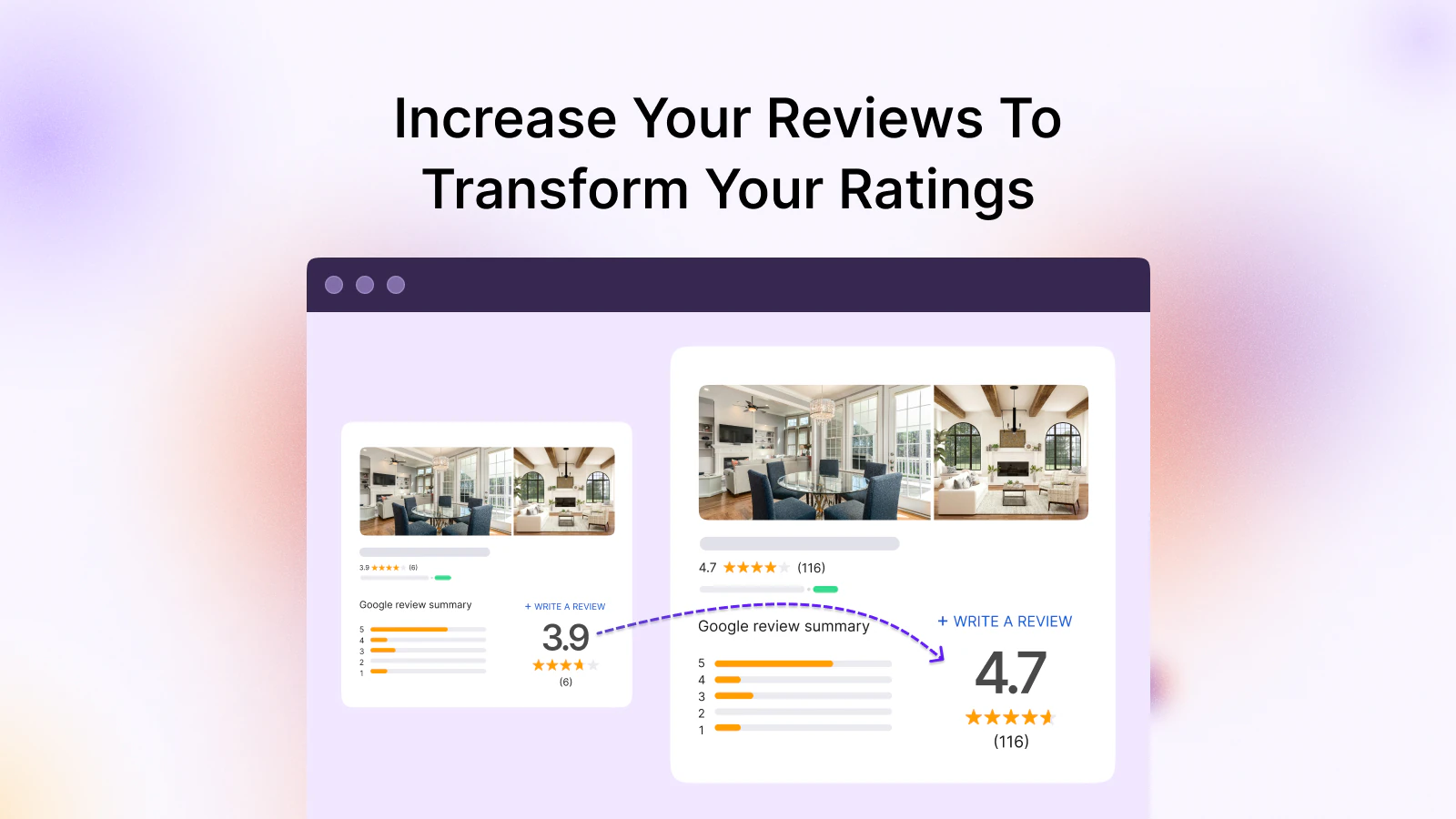
The hidden benefit of in-store reviews is that you can moderate reviews for spam and bots. Well, with TrustSync, you can address negative reviews before they go live. While it is not a fool-proof solution to spam and bot reviews, you do get a degree of control over what is going to the public eye.
This added layer of management with TrustSync allows you to create enduring relationships with your customers, ultimately helping you build brand reputation.
You can further manage multiple review platforms simultaneously. Currently, TrustSync supports 20+ review platforms, including the big names like Google Reviews, TrustPilot, Yelp, Facebook and Amazon Reviews.
Schedule follow-up emails, and configure custom thresholds to handle negative feedback privately (as we just mentioned!). The app also provides analytics, whose insights into email performance, engagement and review distribution across platforms help you optimize your strategy.
Oh! And did we mention you can customize your email messaging and design to fit your brand? TrustSync also facilitates sending review request emails at various intervals, so you can automate without having to keep track of sales history manually.
By automating the review workflow, TrustSync boosts social proof, increases conversions and sustains long-term brand reputation. So, Shopify merchants like you can turn satisfied customers into vocal advocates.
Build Brand Reputation with Both Review Channels And Utilize TrustSync Automation
When you want to grow, online review platforms consistently have the greatest impact, thanks to their broad reach. But, in-store reviews are also equally important when you want to build brand reputation sustainably. Together, they form a holistic reputation strategy creating a balance between wide, external reach and on-spot conversions via in-store reviews.
So the takeaway is not in-store reviews vs. review platforms, but in-store reviews and review platforms. What now?
Be sure to check out TrustSync from the Shopify app store and encourage your customers to leave reviews on their preferred review platform after their purchase so you can keep growing and improving.